
“If your logistics operation stays busy all day but still falls behind, the issue isn’t effort, it’s alignment.”
Every logistics leader has lived this day, bookings look confirmed in the morning. Routes are planned. Teams feel confident. Then one small delay ripples through the operation, a route changes, and an exception pops up late. Customer calls start coming in, by the afternoon, teams are reacting instead of executing.
What’s frustrating is that most of these problems aren’t caused by weather, ports, or carriers. They’re created internally, by systems that don’t share information in real time.
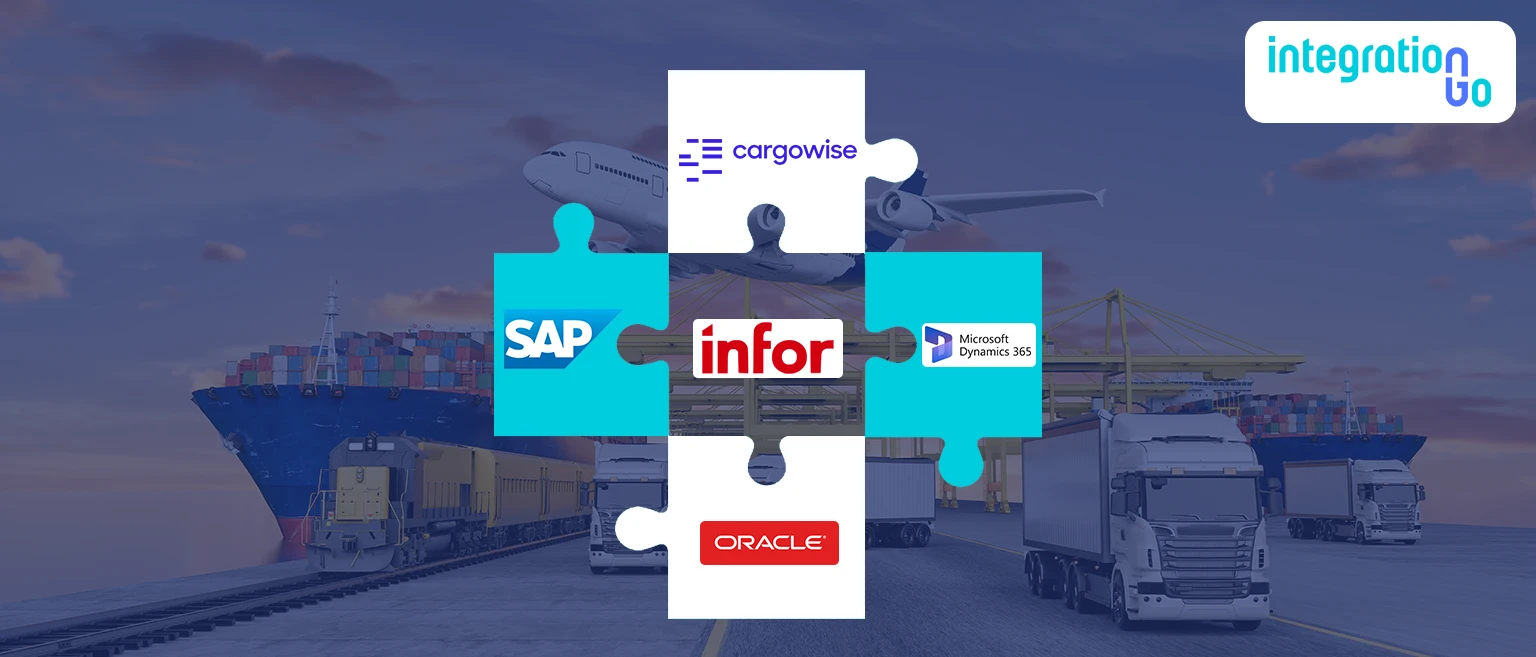
Booking data sits in one system. Routing logic lives in another. Exceptions surface too late to prevent disruption. This is exactly where Infor and your ERP integration, enabled by IntegrationGo, changes the entire operating model.
Why Daily Operational Issues Feel Harder than they Should?
Booking delays, routing inefficiencies, and exception overload often look like separate problems. In reality, they all come from the same source, fragmented operational data.
Bookings get entered without seeing real-time capacity. Routes are planned using outdated assumptions. Exceptions are discovered after service levels are already impacted. Teams end up reconciling information instead of moving freight.
As shipment volumes grow, these gaps widen. Manual workarounds increase. Spreadsheets replace system trust. Operations become fragile, one disruption away from chaos.
Infor is built to plan, orchestrate, and surface risk. Your ERPs are built to execute and track shipments, milestones, billing, and customer commitments. When these systems operate separately, neither reaches its full potential.
Where Infor Adds Intelligence and Where it Needs Support?
Infor plays a critical role in logistics environments where planning, coordination, and resource optimization matter. It helps answer the question, “What should happen next?” based on capacity, constraints, and demand.
But planning alone doesn’t move cargo.
Execution happens inside your ERP. That’s where shipments are confirmed, routes are executed, milestones are updated, and revenue is recognized. When planning and execution aren’t connected, the operation loses rhythm.
Integration is what restores that rhythm.
IntegrationGo: The Layer that Makes Systems Work Together
IntegrationGo's middleware provider purpose is built to integrate Infor with your ERP platforms in a secure, scalable way.
Instead of forcing companies to replace systems, we become the connective tissue between them, ensuring data moves automatically, accurately, and in real time.
This approach allows logistics organizations to preserve existing investments while eliminating the manual gaps that slow operations down. We don’t change how teams work. It changes how systems support them.
When Small Booking Gaps Quietly Turn Into Operational Chaos?
Booking problems rarely show up as major failures at first. They start as small issues, missed updates, outdated capacity checks, and duplicated records. Over time, those issues stack up and disrupt execution.
When Infor and your ERP are connected through middleware, booking data flows smoothly between planning and execution. Capacity updates reflect instantly. Changes made in one system are visible in the other without delay.
Teams stop chasing confirmations. Booking cycles shorten. Errors drop. Operations regain predictability.
This alone removes a huge amount of daily friction from logistics teams.
How does Routing Become Calm Instead of Chaotic?
Routing stress usually comes from decisions made with incomplete information.
Disconnected systems force planners to guess. They plan routes without seeing the latest bookings, constraints, or active exceptions. When something changes, re-routing becomes urgent and manual.
Synchronize Infor and your ERP, routing logic runs on live data. Routes adjust automatically as conditions change. Planners focus on optimization instead of damage control.
Routing shifts from a constant problem to controlled execution.
Fixing Exceptions Before Customers Notice
Exceptions are unavoidable in logistics. Late visibility is not.
In disconnected environments, exceptions appear only after shipments are delayed and customers are already impacted. Teams scramble to find the cause and assign ownership. The same issues repeat because root causes stay hidden.
With Infor and your ERP integration enabled by end-to-end integration, exceptions surface in real time. Alerts trigger automatically. Everyone works from the same data. Resolution workflows become consistent and traceable.
Exception handling turns proactive, and that changes how teams operate under pressure.
What Data Flows Smoothly through IntegrationGo?
We enable real-time, bi-directional data exchange between Infor and your ERP systems, including:
- Booking and order information
- Capacity availability and planning constraints
- Routing plans and execution updates
- Exception alerts and status changes
- Shipment milestones and timelines
- Operational and financial references
Every team works from a single, trusted source of truth.
Why Unified Visibility Changes How Teams Work?
Once systems are connected, visibility improves immediately. Booking status, routing decisions, and exception alerts appear in one cohesive operational view.
Operations teams stop switching systems. Customer service responds faster and with confidence. Managers spot risks earlier. Leadership gains clarity without waiting for reports.
This kind of visibility doesn’t just inform decisions, it reshapes them.
The Business Results that Follow Integration
Logistics organizations that integrate Infor with their ERP through IntegrationGo consistently achieve:
- Faster booking confirmations
- More stable, optimized routing
- Fewer service disruptions from late exceptions
- Shorter billing and revenue cycles
- Lower operational overhead
- Higher customer satisfaction and retention
These outcomes directly support scalable, profitable growth.
Why Waiting is the Real Risk?
The biggest risk isn’t integration, it’s delay. Every day without integration quietly adds cost. Teams waste time reconciling data. Revenue is delayed by slow billing. Customer trust erodes. Growth becomes harder to manage.
Meanwhile, competitors with connected systems operate faster, respond better, and scale with less friction.
IntegrationGo exists to remove that friction, without disrupting your business.
What does this Mean for Your Logistics Operation?
If booking delays, routing confusion, and exception overload feel “normal,” that’s your signal. Not to push teams harder, but to connect systems smarter.
By acting as middleware, IntegrationGo enables Infor and your ERP to operate as one synchronized platform. The result is calmer operations, better decisions, and a logistics organization built to scale.
Conclusion
Infor and your ERPs are both powerful on their own, but without integration, they create blind spots that slow growth and increase risk.
IntegrationGo removes those blind spots by connecting planning and execution into one synchronized operating model. The result is fewer disruptions, better decisions, and a logistics operation built to scale. Book a call with IntegrationGo to see how Infor–logistics ERP integration can simplify operations, reduce exceptions, and restore control where it matters most.