
Your operations team has entered the shipment details in CargoWise. The invoice is recorded, the consignee information is available, and the cargo details are already in the system. But when it's time to prepare the customs declaration, your team has to enter much of that information again.
Sound familiar?
For freight forwarders handling shipments in Tanzania, managing information between CargoWise and the Tanzania Customs Integrated System (TANCIS) can involve a lot of repeated work. Your team has to make sure the information matches, check supporting documents, and correct details whenever something changes.
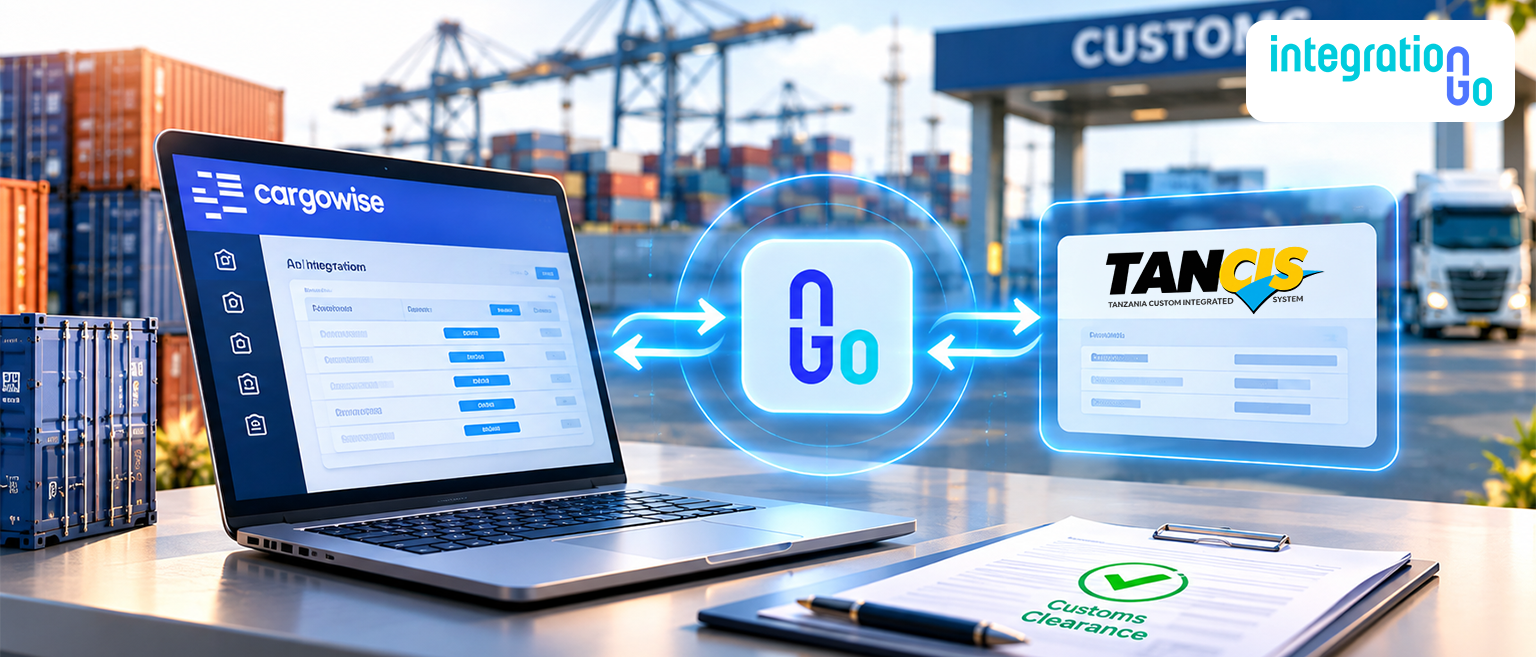
Instead of handling these tasks separately, a well-planned CargoWise and TANCIS Integration can help your team reuse shipment information and reduce unnecessary data entry.
Let's look at where the challenges come from and how you can approach them.
What is the Tanzania Customs Integrated System (TANCIS), and How does it Fit into Your Customs Operations?
If you're handling import shipments in Tanzania, TANCIS is an important part of your customs clearance process.
The Tanzania Customs Integrated System (TANCIS) is used by the Tanzania Revenue Authority (TRA) to manage customs declarations and related activities. Freight forwarders and clearing agents use the applicable processes to submit declaration information and supporting documents.
Think about the information your team needs to prepare for an import declaration. It may include the commercial invoice, packing list, bill of lading, importer details, goods description, quantities, customs value, and HS codes.
Most of these details are collected during the shipment process. Your operations team may already have entered them into CargoWise.
The challenge comes when the customs team needs that same information in TANCIS. If the systems aren't integrated, employees may have to collect the details again, check them against the original documents, and enter them manually.
That's where an integration approach becomes useful.
Why is Your Customs Team Entering the Same Shipment Information Twice?
Let's take a simple example.
Your team creates an import shipment in CargoWise and records the consignee's details, cargo description, invoice value, and transport information. Later, when preparing the customs declaration, another team member opens the supporting documents and starts entering those details into the customs system.
Now imagine handling 20, 50, or even 100 shipments with the same process.
It's easy to see how the workload builds up.
The bigger concern is that every time someone re-enters information, there's another opportunity for something to go wrong. A quantity might be mistyped, a consignee detail might be outdated, or an invoice value might not match the original document, and when shipment details change, your team may have to update more than one record.
For a busy freight forwarding operation, this means extra administration, repeated document checks, and more time spent correcting information instead of coordinating shipments.
How can CargoWise and TANCIS Integration Make Customs Data Entry Easier?
Rather than asking your team to collect the same shipment details again, you can explore how information already available in CargoWise can be reused when preparing customs declarations.
That's the practical idea behind CargoWise and TANCIS Integration.
For example, your CargoWise shipment record may already contain the consignee's details, cargo information, invoice values, and transport references. An integration workflow can retrieve the relevant information, prepare it in the required format, and transfer it through an approved technical interface.
Your team can then focus on reviewing the declaration information instead of manually entering every detail from the beginning.
A typical workflow could look like this:
- Shipment information is retrieved from CargoWise. The relevant customer, shipment, and transport details are collected from the existing record.
- The information is prepared for customs processing. CargoWise fields are matched with the information required by the receiving customs interface.
- Supporting documents are organized. Commercial invoices, packing lists, and bills of lading are prepared as required.
- The information is transferred. Data is exchanged through the agreed and supported communication method.
- The response is made available to your team. Relevant submission responses and available customs statuses can be returned to CargoWise through the integration workflow.
The important point is that your team doesn't have to start from scratch every time a customs declaration is prepared. Relevant shipment information can be reused, subject to the applicable customs requirements and validation checks.
Which Shipment Details should You Get Right Before Customs Submission?
Reusing shipment information can save time, but only when the information itself is accurate.
Let's say your commercial invoice shows a particular quantity, but the packing list contains a different figure. Even if those details are transferred automatically, the mismatch still needs to be investigated.
That's why your team should pay close attention to the information used to prepare customs declarations.
| Information | What you need to verify |
| Importer and consignee details | Are the organization details correct? |
| Commercial invoice | Do the declared values match the invoice? |
| Goods description | Does the description clearly identify the cargo? |
| Quantity and packaging | Do the quantities and package details match the documents? |
| Country of origin | Is the origin information accurate? |
| HS codes | Has the correct tariff classification been reviewed? |
| Bill of lading or airway bill | Do the transport references match the shipment? |
| Permits and certificates | Are the required supporting documents available? |
These checks help your team work with consistent shipment information. They also make it easier to identify missing details before the declaration reaches the submission stage.
What Happens When Your Customs Declaration Details Don't Match?
Here's something worth considering: transferring data automatically doesn't necessarily mean that the data is correct.
If the invoice, packing list, and CargoWise shipment record contain different information, those differences still need attention.
For instance, your invoice might show 500 units while the packing list shows 450. Or the goods description in CargoWise might be too general for the customs declaration.
If these details aren't reviewed, your team could end up spending even more time investigating and correcting the information.
Before submission, make sure your team checks the invoice values, goods descriptions, quantities, consignee details, and applicable HS codes. You can also include validation rules in the integration workflow to flag missing or inconsistent information.
This gives your customs team an opportunity to review the problem before moving forward. It doesn't replace customs checks or guarantee clearance, but it can reduce avoidable errors and rework.
What should You Consider Before Integrating CargoWise with TANCIS?
Before planning the integration, take a look at how your team currently handles customs declarations.
Which details are already available in CargoWise? Which ones are still collected manually? And where does your team spend the most time transferring or checking information?
Answering these questions helps you define what the integration actually needs to do.
You should also confirm the technical interface available through TANCIS, how it supports data exchange, and what information can be submitted or received.
Pay particular attention to how shipment fields will be mapped, how supporting documents will be handled, and what happens when information is missing or a submission fails.
Testing is equally important. Try different shipment types and exception scenarios before moving into production. This helps you understand whether the planned workflow supports the way your customs team actually works.
How can IntegrationGo Support Your CargoWise and TANCIS Integration?
Getting two systems to exchange information isn't always as simple as transferring one record to another. CargoWise and the receiving customs interface may use different data formats, field structures, and communication methods. Middleware can help manage these differences.
If you're looking to exchange shipment information between CargoWise and external customs systems, IntegrationGo can help you assess the right approach. Through CargoWise Custom Integration, we can plan how shipment data is mapped, transformed, validated, and exchanged using middleware, based on your operational requirements and the available TANCIS interface.
IntegrationGo can help you assess and plan this approach around your CargoWise workflows.
Here's how the process can work:
1. Data Extraction: Retrieve relevant shipment and customer information from CargoWise through a supported integration method.
2. Data Transformation: Convert the information into the format required by the receiving customs interface.
3. Field Mapping: Match shipment details, invoice information, and goods descriptions with the required declaration fields.
4. Data Validation: Identify missing or inconsistent information before it moves to the next stage.
5. Data Exchange: Transfer information using the approved communication method.
6. Post to CargoWise: Once the receiving system returns relevant responses, make the available customs submission statuses and updates accessible in CargoWise. This helps your operations team follow the process without constantly switching between systems.
7. Error Handling: Capture failed exchanges, identify the source of the problem, and make the issue available for investigation and correction.
Consider a situation where your team submits shipment information through the agreed interface. Instead of having to check another system every time, the integration can be designed to return the available response information to CargoWise. Your team can then review the status and decide whether any further action is needed.
IntegrationGo can help you assess the required data flow, plan the middleware workflow, and identify how shipment information and customs responses should move between the systems.
The focus isn't simply on moving data. It's about making information available where your team needs it and reducing the manual work involved in managing customs operations.
Ready to Spend Less Time Re-Entering Customs Data?
Your customs team already has enough to manage without repeatedly entering shipment information into different systems. A properly planned integration can help you reuse CargoWise data, reduce unnecessary manual work, and keep your customs information more consistent.
Want to simplify your Tanzania customs operations? Contact us about your End to End CargoWise Integration requirements. Let's understand your current workflow and plan an integration approach that helps your team spend less time handling data and more time keeping shipments moving.