
Data is the new currency, but only if your systems actually talk to each other. Take a step back and think about how your business runs today. Your operations team works in platforms like CargoWise, SAP, or Infor. Your finance team relies on Oracle NetSuite, QuickBooks, or Xero.
And in between, custom software supports unique workflows that your business depends on every day. On the surface, everything looks connected. But behind the scenes, teams are still copying data, double-checking numbers, and fixing mismatches.
It feels manageable in the beginning, but as your business grows, these small gaps quietly turn into delays, confusion, and missed opportunities. In 2026, the real challenge isn’t having software, it’s making sure all your systems work together through logistics integration.
⚠️ It Looks Connected But Why does it Still Feel Slow?
Most ERP environments today are functional but not fully connected. Each system performs its role well, but the lack of communication between them creates friction that slows everything down.
In everyday operations, this shows up as:
- Shipment or operational data being entered in CargoWise and then re-entered into NetSuite or QuickBooks
- Finance teams are waiting for operational confirmation before processing invoices
- Reports from ERP and accounting systems are not fully aligning
- Teams relying on spreadsheets to reconcile differences
These aren’t system failures, they are gaps in connectivity, and over time, these gaps reduce efficiency, increase workload, and make processes harder to manage.
🔄 When Systems Don’t Talk, the Workload Shifts to Your Team
When systems like CargoWise, SAP, or Infor are not integrated with accounting platforms like Oracle NetSuite or Xero, the responsibility of connecting data falls on people.
Instead of systems doing the work, teams step in to:
- Export and import data between platforms
- Manually validate financial and operational records
- Follow up across departments for missing information
- Correct errors after transactions are already processed
This creates a hidden operational burden that is often underestimated. As the business grows, the volume of data increases, and so does the effort required to keep everything aligned. What once felt manageable becomes a daily operational challenge.
💡 ERP in 2026: From Standalone Systems to a Connected Ecosystem
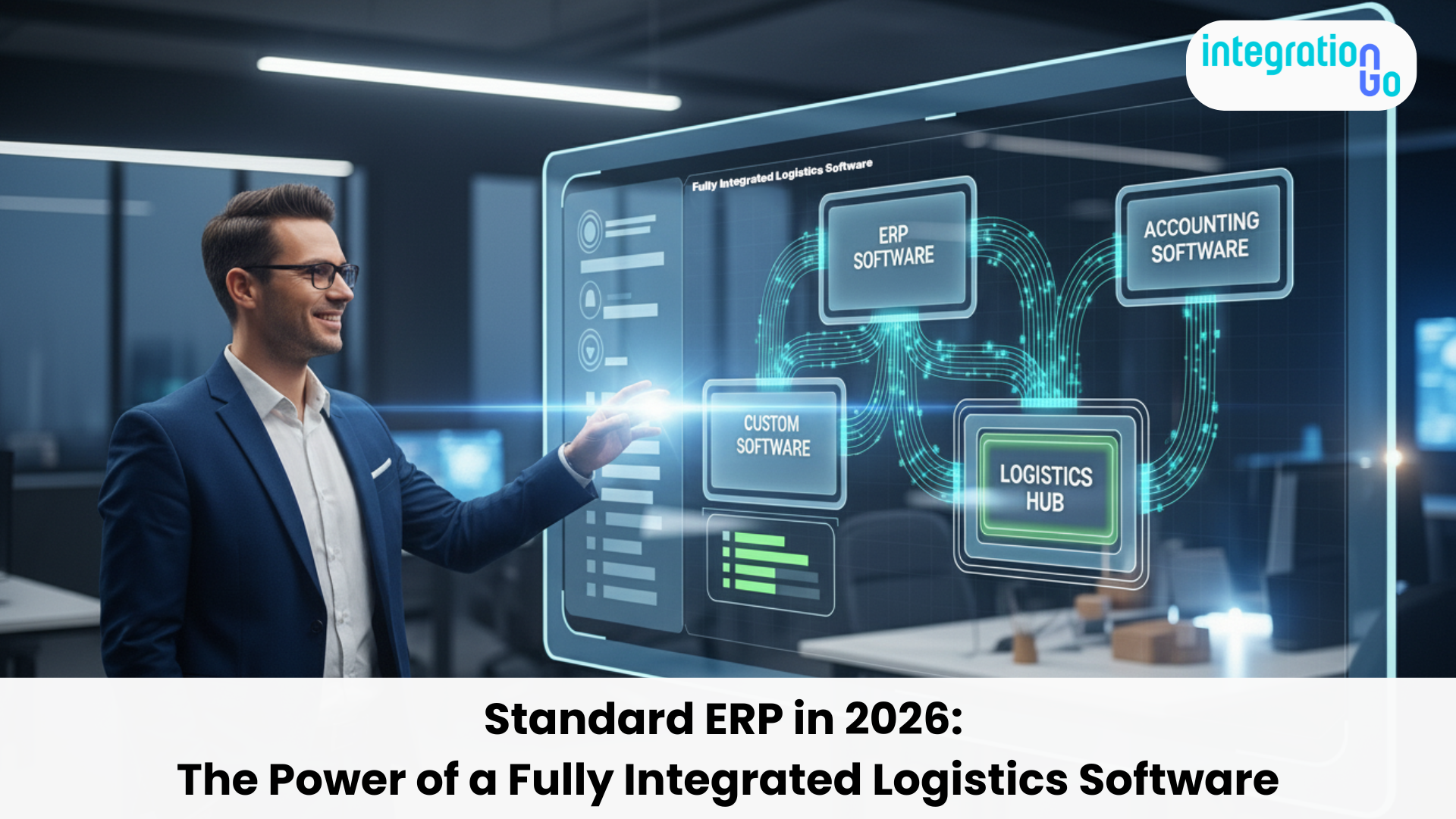
ERP systems have evolved. They are no longer just tools for managing operations, they are becoming the central hub that connects every part of the business.
In 2026, the real value of ERP lies in integration. When systems like CargoWise, SAP, or Infor are fully integrated with Oracle NetSuite, QuickBooks, or custom software, the entire business operates differently.
This connected ecosystem enables:
- Smooth data flow between operations and finance
- Real-time updates across all systems
- Elimination of duplicate data entry
- Consistent and accurate reporting
Instead of working across separate systems, businesses operate within a unified environment where everything is connected.
📊 What a Fully Integrated ERP Actually Delivers?
The impact of integration becomes clear when you look at how it changes daily operations. Instead of chasing information across systems, teams have everything they need in one place, updated in real time.
This leads to measurable improvements such as:
- Faster billing cycles because financial data reflects operational activity instantly
- Improved cash flow as invoices are generated without delays
- Reduced errors by eliminating repeated data entry
- Accurate tracking of profitability across shipments, projects, or operations
- Better visibility into business performance across departments
Integration doesn’t just improve processes, it improves how the entire business functions.
🧠 Stronger Data Flow Leads to Smarter Decisions
Decision-making depends on data. But when data is delayed, inconsistent, or incomplete, every decision takes longer and carries more risk.
In disconnected systems, teams often:
- Double-check reports before acting
- Wait for updated data from other departments
- Rely on multiple sources to confirm information
But in a fully integrated environment:
- Data is consistent across all systems
- Reports reflect real-time activity
- Teams trust the information they are using
- Decisions are made faster and with greater confidence
This shift allows businesses to move from reactive operations to proactive planning.
🚀 Why is Integration No Longer Optional?
Business today moves faster than ever. Customers expect quick responses, financial teams need real-time insights, and operations must run without delays.
Disconnected systems create friction that slows down every part of the business. Connected systems remove that friction.
When CargoWise, Oracle NetSuite, SAP, QuickBooks, and custom tools work together, businesses gain speed, clarity, and control. They are no longer limited by their systems, they are enabled by them, and in a competitive environment, that difference matters.
🚀 Final ThoughtsERP in 2026 is no longer about using multiple systems like CargoWise, Oracle NetSuite, SAP, or QuickBooks separately but about connecting them so data flows seamlessly across operations and finance, enabling faster processes, better visibility, and smarter decision-making through true end-to-end integration, and if your systems still feel disconnected, now is the time to evaluate how integration can streamline your workflows and unlock the full potential of your business.